
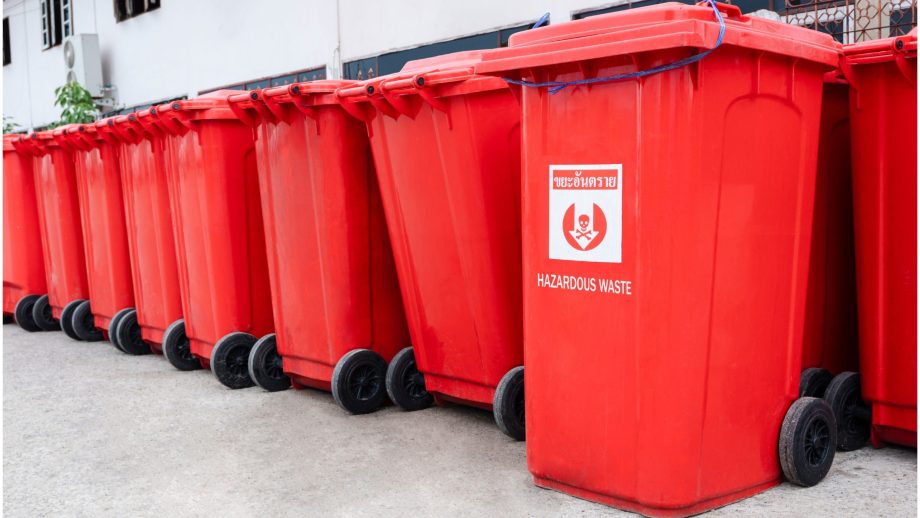
Remember your COVID-19 vaccination? Maybe you stood in a long line. Maybe you rolled up your sleeve and didn’t think twice. But here’s a question most of us never asked: ”Where do all those used syringes go?“ Billions of single-use needles and plastic components were used during the pandemic. But the story doesn’t end after a shot is given. Every syringe, vial, and plastic wrapper enters a waste system that’s energy-heavy, expensive, and unkind to the environment. This isn’t just a pandemic-era issue. Even in normal times, injection-based treatments—from vaccines to biologics—leave behind a trail of waste.
The Hidden Cost of Injections
The production and disposal of medical injection materials—syringes, needles, and drug packaging—generate large amounts of waste. From raw materials to shipping, each step produces plastic waste and carbon pollution. Every year, injections contribute to nearly 100,000 tons of medical waste worldwide. Most of it must be handled as biohazard materia:, burned or treated in high-energy facilities. During the COVID-19 vaccination campaign, the total waste from the billions of shots would stack as tall as 196 Taipei 101 towers.
A Carbon Footprint That’s Easy to Miss
Beyond plastic waste, the injection process creates around 10 million tons of CO₂ each year. To cancel that out, we would need to plant more than 45 billion trees. Syringes, made of tough plastics, break down slowly and may release harmful substances into soil and water. Manufacturing and waste handling can also produce toxins that harm both the environment and public health. Yet, these costs are often ignored in the pursuit of medical speed and access.
A Better Way to Deliver Care
Not all drug formats leave the same mark. One hospital study in the UK found that giving a medicine by injection created 60 times more carbon pollution than giving it in pill form. That’s not because of the drug itself—but because of how it was delivered. At Sinedore, we believe delivery matters. Not just for patients, but for the planet.
Building a More Sustainable System
We’re designing platforms that reduce the need for injections by offering smarter, cleaner alternatives: nasal sprays, sublingual tablets, and skin-based delivery systems. These formats lower plastic use, reduce hazardous waste, and reduce energy use in packaging, storage, and disposal. Our goal is simple: care that protects both people and the world they live in. Because healthcare shouldn’t create harm.
